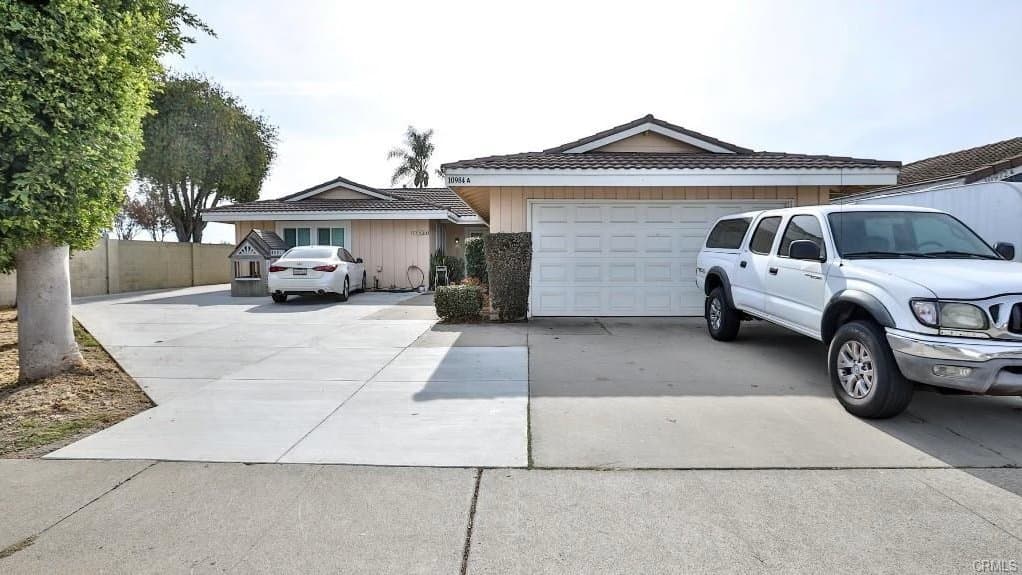
Rising energy costs make utility bills one of the most predictable pressures on household budgets. Southern California homeowners know that air conditioning in summer and electricity rates in general can add up. For many buyers, owned solar is one of the most valuable features a property can have, and it is part of what sets the ADU at 10984 Goldeneye Ave in Fountain Valley apart.
What "Paid Solar" Means
A solar system can be owned (purchased outright or fully paid off), financed (with loan payments), or leased (with monthly payments to a provider). "Paid solar" means the system is paid for. That has real implications:
- No monthly solar payment to a lender or leasing company.
- No contract to transfer at sale, which can simplify a purchase.
- Full benefit of the energy produced, applied toward electricity use.
Buyers should still confirm documentation, warranties, and interconnection details during due diligence.
How Solar Saves Money
Photovoltaic panels convert sunlight into electricity. Power produced on-site can offset the electricity a home would otherwise buy from the grid. The savings depend on:
- System size and panel condition.
- Roof orientation and shading.
- Household energy usage.
- Utility rate structures and net-metering rules, which can change.
Request production reports and utility bills to estimate savings for your own situation.
The Benefit to Tenants and Owners
The ADU has separate meters and a separate address, so its energy costs are distinct from the main home. Depending on how the unit is used, the solar system can benefit different people:
- A family member living in the ADU may enjoy lower utility bills.
- A tenant may see more affordable electricity costs, which can make the home more attractive and help with retention.
- The owner may benefit through a more competitive rental and fewer utility disputes.
Eco-Conscious Appeal
Many buyers and renters prefer homes with sustainable features. Solar can reduce reliance on grid electricity and lower a household's carbon footprint. A newer building constructed in 2023 may also include modern efficiency features that complement solar.
The Investor's View
For landlords, utility costs and energy-related expenses influence net operating income. An ADU with owned solar and separate meters can be easier to operate and more appealing to tenants. The ADU's income potential of roughly $3,500 per month is supported by features that tenants notice in listings.
Long-Term Considerations
Solar is a long-term asset, so look at:
- Panel age and warranty terms.
- Inverter lifespan, since inverters may need replacement at some point.
- Roof condition underneath the panels.
- Maintenance needs, such as periodic cleaning and inspection.
- Local policy changes that could affect compensation for excess energy.
Compound-Wide Possibilities
The ADU has paid solar, and the full property comprises a remodeled 1,716 sq. ft. main residence and a 1,200 sq. ft. ADU on a 9,880 sq. ft. corner lot. Buyers who are interested in lowering energy costs across both homes can talk with licensed professionals about efficiency upgrades, battery storage, or added capacity, subject to site conditions and utility rules.
A Simple Checklist
- Ask for the solar installation date and permit records.
- Review the warranty and any monitoring app details.
- Compare 12 months of utility bills.
- Confirm the system is owned and free of liens.
- Ask a licensed solar professional to evaluate output.
Common Questions About Solar
Who benefits from the solar savings? That depends on who pays the ADU's electric bill under your arrangement. Does paid solar transfer with the property? Generally an owned system stays with the home, but confirm with documentation. Should I expect zero electric bills? Not necessarily. Production and usage vary, so review real bills and system data before making assumptions.
Get the Estimate
We can share available information on system production and potential utility savings so you can make an informed decision.
View the Solar Utility Savings & Production Estimate for 10984 Goldeneye Ave.
Disclosure: Savings and production figures are estimates and vary by usage and utility policy. Consult qualified professionals.