Real estate has long been considered a tax-advantaged investment. One of the most important reasons is depreciation: the ability to deduct a portion of a building's cost over time, even when the property may be appreciating in value. For investors in dual-residence properties, understanding how the ADU fits into the tax picture can be valuable.
This article is general education and not tax advice. Tax rules are complex and change over time. Always consult a qualified CPA or tax attorney.
Depreciation in Brief
In the United States, residential rental property is generally depreciated over a set recovery period, using a straight-line method. Land is not depreciable, but the building and certain improvements may be. The annual depreciation deduction can reduce taxable rental income, sometimes significantly.
Why the ADU Is Interesting
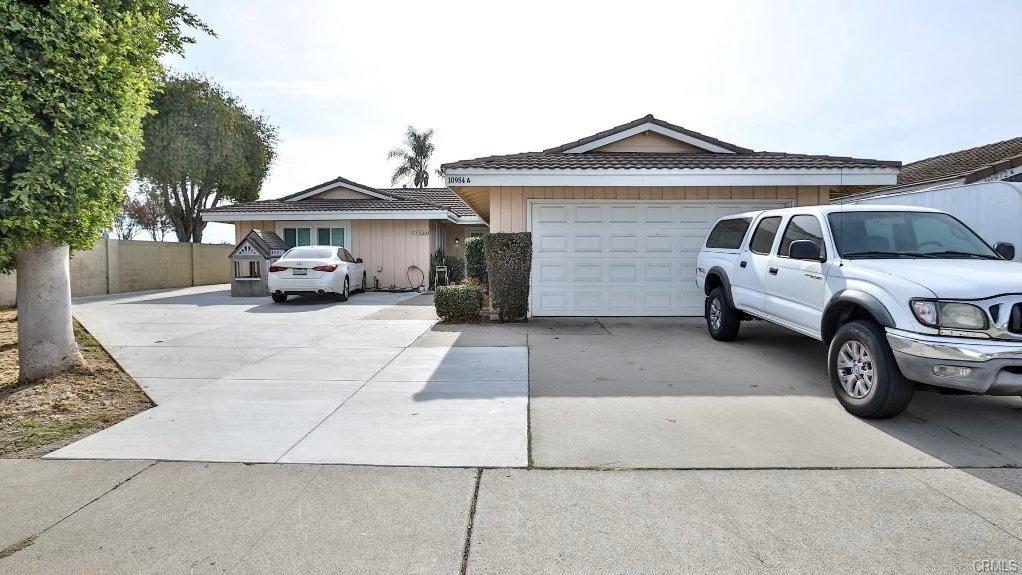
The 2023-built ADU at 10984 Goldeneye Ave in Fountain Valley is a separate residence with its own address and utility meters. For tax planning, an investor and their advisor may explore whether the ADU can be treated as a distinct rental asset. Considerations include:
- Separate cost basis. How the purchase price is allocated between land, the main home, and the ADU.
- Rental use. The portion of the property used for rental generally determines what can be depreciated.
- Occupancy. Owner-occupied portions are treated differently from rented portions.
- Documentation. Clear records of income, expenses, and improvements.
Cost Segregation
Cost segregation is a study that breaks a building into components with different recovery periods, such as certain fixtures, flooring, or land improvements, instead of treating the whole building as one long-lived asset. In some cases, it can accelerate deductions into earlier years. A newer building, such as one constructed in 2023, may be a candidate for review, though whether it makes sense depends on cost, size, and your tax situation.
Other Deductions Landlords Often Consider
- Mortgage interest on the rental portion.
- Property taxes allocated to the rental.
- Insurance, repairs, and maintenance.
- Property management fees.
- Utilities the owner pays.
- Professional fees for accounting and legal services.
The Role of Income Potential
The ADU has an income potential of $3,500 per month, or $42,000 per year. Depreciation and deductions may reduce the taxable portion of that income, and in certain situations, may create paper losses. Passive activity rules can limit how losses are used, depending on your income and involvement.
Things to Discuss with Your Advisor
- How should the purchase price be allocated?
- Would a cost segregation study be worthwhile?
- How do passive loss rules affect me?
- What are the implications of depreciation recapture when I sell?
- Does a 1031 exchange make sense for my situation?
- How should I structure ownership?
Depreciation Recapture
When you sell a rental property, previously claimed depreciation may be "recaptured" and taxed. That is one reason many investors consider 1031 exchanges to defer taxes and keep capital working. We covered some of the basics earlier in this series.
Keeping Good Records
The best tax strategy depends on good records. From day one:
- Keep closing documents and settlement statements.
- Track all income and expenses by property and unit.
- Save receipts for improvements.
- Use separate bank accounts for rental activity.
- Work with a CPA who understands real estate.
Why Structure Matters
With a separate address, separate meters, and paid solar on the ADU, tracking income and expenses is cleaner than in many shared-utility arrangements. That clarity can help you and your accountant produce accurate records.
The Larger Opportunity
Combined with a remodeled 1,716 sq. ft. main home on a 9,880 sq. ft. corner lot, the ADU creates a flexible, income-producing asset in central Orange County. Tax planning is one more tool to help it build wealth over time.
Request the Brief
We can provide an investor tax strategy overview for your advisor to review.
Request the Investor Tax Strategy Brief and bring it to your CPA or tax attorney for personalized guidance.