House hacking means living in part of a property while renting out another part to help pay the bills. It is one of the most popular ways for first-time investors and move-up buyers to get a foothold in expensive markets like Orange County. A less-discussed benefit is that rental income can sometimes help you qualify for a larger loan.
The Basic Idea
Lenders evaluate whether you can afford a mortgage by comparing your income and debts. In some loan programs, projected or documented rental income from an additional unit, such as an ADU, may be counted toward your qualifying income. That can increase your purchasing power compared with relying solely on your wages.
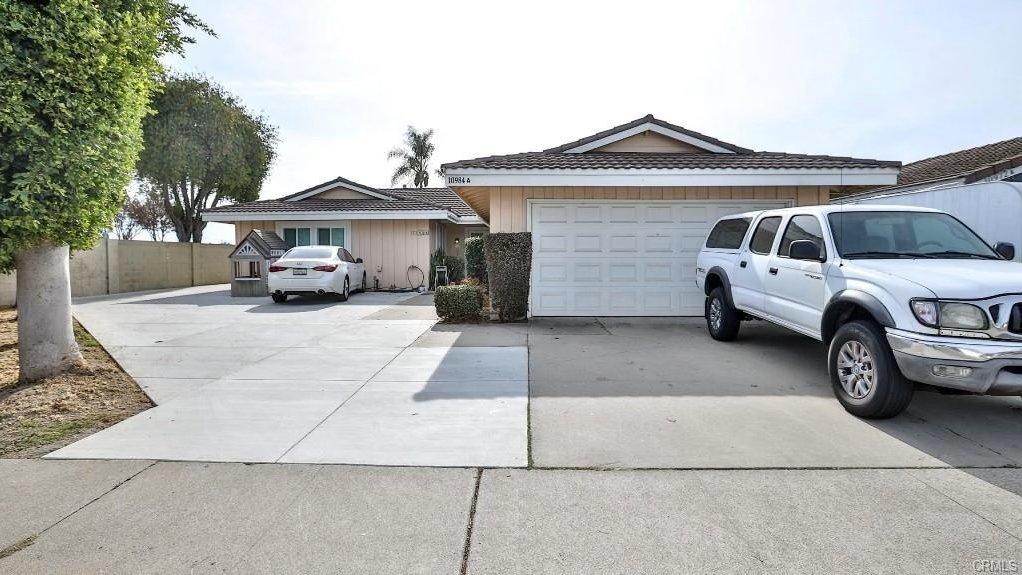
The ADU at 10984 Goldeneye Ave in Fountain Valley is a 1,200 sq. ft., 3 bed / 2 bath home built in 2023 with an income potential of $3,500 per month. Whether and how that income counts depends on the lender, the loan program, and the documentation available.
Why Rental Income Matters to Lenders
A lender's main question is risk: will the borrower consistently make payments? Rental income can reduce risk by providing an additional source of funds. Lenders usually do not count the full amount, though. They often apply a discount to account for vacancies and expenses.
Common Documentation
If you plan to use ADU income, be ready to provide:
- A signed lease if the unit is already occupied.
- An appraisal with a rent schedule or market rent analysis.
- Proof of permits showing the ADU is legally built.
- Tax returns if you have rental history.
- Proof of reserves, as many lenders prefer cash in the bank.
Requirements vary widely, so ask your lender for specifics.
Variables That Affect Your Result
- Loan type. Conventional, FHA, VA, and other programs have different rules.
- Occupancy. Owner-occupied purchases are treated differently from investment purchases.
- Down payment. Larger down payments can open more options.
- Credit profile. Stronger credit generally leads to better terms.
- Property characteristics. A legally permitted ADU with separate utilities may be easier to underwrite.
The Role of Separate Meters and Address
A separate address and separate meters help the ADU look and function like an independent rental. That clarity can support underwriting and make operations simpler. Paid solar also means there is no solar lease payment that could complicate the numbers.
A Simple Example Framework
This is a conceptual illustration, not a guarantee:
- Start with potential rent of $3,500 per month.
- Apply a lender's discount factor (for example, a percentage of gross rent).
- Add the resulting qualifying rent to your income, according to program rules.
- Compare your debts and payment against the lender's limits.
Your actual result depends on the lender's guidelines. Ask for a written pre-approval scenario.
Beyond Qualification
Qualifying is only the first step. Smart house hackers also:
- Keep cash reserves for repairs and vacancies.
- Screen tenants carefully and use clear lease terms.
- Track income and expenses from day one.
- Understand tax implications of rental income.
Why Dual Residences Suit House Hackers
House hacking is easier when the tenant has a separate home rather than a room in yours. At this property, the main residence stays private, with a remodeled 1,716 sq. ft. layout, open quartz kitchen, and dual skylights, while the ADU operates independently on the same 9,880 sq. ft. corner lot.
Talk to a Lender Early
The best time to ask about rental income is before you make offers. Our preferred lender representative can explain program options and provide a realistic picture of what you may qualify for.
Consult with Our Preferred Lender Representative to discuss how ADU income could affect your financing at 10984 Goldeneye Ave.
Disclosure: General information only. Loan approval and treatment of rental income are determined by lenders and are not guaranteed. This is not financial advice.